
Table of Contents
Moving abroad is thrilling until you’re scrambling to find your passport at the airport or realising your hair dryer won’t work overseas. This happened to me during my first international move, and I vowed that no one else would face that same panic. Here’s the foolproof packing checklist I wish I’d had.
Whether you’re a student starting university, a digital nomad chasing new horizons, or an expat beginning a job abroad, smart packing makes all the difference. For personalised support on choosing what to pack based on your destination, visit our Study Abroad Guidance page.Forget paying €50 for a forgotten phone charger or showing up to winter in Scandinavia with only summer clothes. This guide covers:
- Critical documents (the items you forget, don’t board the plane).
- Space-saving hacks (such as rolling clothes instead of folding).
- Cultural must-knows (e.g., modest clothing for Middle Eastern countries).
Let’s start with why winging it isn’t an option, your checklist is your lifeline.
Why You Need a Travel Checklist Before Moving Abroad
Imagine: You’re in London for university, weary from travel but pumped. In the immigration line, you reach for your passport. And it’s MIA, buried deep within your overloaded suitcase. The officer looks annoyed as you frantically search.
That awful situation is why a packing checklist isn’t just helpful; it’s crucial for a smooth move abroad. Here’s why:
- The Sweet Spot: Packing Just Right
- Overpacking = Facing hefty baggage fees.
- Underpacking = Buying expensive winter clothes in Canada because you misjudged the weather.
A checklist helps find the balance, like opting for flexible layers instead of piling on tons of sweaters.
- The Darn! Moments You’ll Dodge
Essential things people forget:
✓ Necessary medications (difficult to get abroad)
✓ Certified copies of documents (lost originals mean major hassle)
✓ Electronics that work with local voltage (that cheap hairdryer will blow in the US)
- Less Stress = Better Start
Research reveals that moving abroad is often more stressful than a divorce. A checklist:
- Gives you some control during a stressful time
- Let you sleep soundly the night before your flight
- Frees up your mental energy for your new adventure
Now that you’re on board (and maybe checking where your passport is), let’s create your perfect packing list starting with the luggage itself.
Travel Essentials to Pack Before Moving Abroad
Your luggage is more than mere storage it’s essentially your home away from home for your initial weeks overseas. Choose wisely, since dealing with broken wheels in a foreign subway station is nobody’s idea of fun.
Suitcases, Backpacks & Carry-ons
The Reliable Choice: Invest in a polycarbonate suitcase (such as a Samsonite, which offers a 10-year warranty) that can withstand the rigours of airline baggage handling. A pro tip: Bright colours are easily spotted on baggage carousels.
Your Everyday Companion: A 30L anti-theft backpack (e.g., Osprey’s Daylite range) keeps laptops and other essentials secure during travel and campus life.
Carry-on Considerations: Pack 3 days’ worth of essentials in case your checked luggage is lost (it happens to approximately 1 in 150 travellers, according to AirHelp).
Packing Cubes & Compression Bags
Space Maximisers: Compression bags reduce the size of winter coats by half an excellent option for students heading to colder climates.
Sanity Maintainers: Colour-coded cubes separate crucial items (like documents) from those intended for dorm setup. “I use red cubes for medications, which prevents any frantic searching at 2 a.m.
Cost-Effective Option: Decathlon’s packing cubes are available for under €10 per set.
With your luggage ready like a seasoned traveller, let’s move on to safeguarding your truly irreplaceable possessions – your documents.
Important Documents You Must Carry
Relocating overseas involves a significant amount of paperwork, and it’s crucial for a smooth experience. Without these, you could encounter setbacks, added expenses, or be refused entry. Here’s an essential document checklist:
Passport, Visa & ID Copies
- Originals + Copies: Have your passport and visa as both the original and two physical copies (keep the copies separate from the originals).
- Digital Archives: Scan and store these documents on Google Drive or Dropbox, and then email them to yourself.
- Contact Information: Include details for your country’s embassy or consulate.
Pro-Tip: Specific countries (such as the UAE) need passport copies to register for a SIM card, and keep a copy in your wallet.
Academic or Job-Related Documents
- Students: Please have notarised copies of your degree certificates, acceptance letters, and scholarship documentation.
Need help selecting the right university and preparing essential documents? Check out our University Selection & Admissions Services.
- Professionals: Have offer letters, employment agreements, and letters of recommendation.
- Translation Requirements: If documents aren’t in English, obtain certified translations (e.g., for Germany or France).
Insurance Documents
- Health Coverage: Print out your policy details (including what’s covered when abroad).
- Travel Protection: Covers situations such as flight cancellations or lost luggage.
- Important Contacts: Store your insurer’s 24/7 helpline number in your phone for easy access.
Visit our Zylentrix Page to explore all-in-one guidance for international students and professionals.
Your documents secure your entry, and your gadgets keep you connected to everything. Next up: the tech necessities you’ll want to have.
Electronics and Gadgets for International Travel
Your gadgets are vital when travelling for learning, getting around, and staying in touch. Misplace them, and you might have to shell out for replacements or deal with annoying outages. Here’s what to bring:
Laptop, Phone & Chargers
Key items: Your computer (with warranty details) and an unlocked smartphone (to use local SIM cards).
Backups Are Key: Pack an extra charging cable (they tend to break at the most inconvenient moments).
Data Security: Utilise cloud storage (e.g., Google Drive, iCloud) in case your devices are lost or stolen.
Pro Tip: Use washi tape to label chargers – hostels and dorms can get mixed up!
Universal Adapters & Power Banks
Essential Adapters: A global adapter (such as a Skross Pro) accommodates all plug types.
Battery Life Booster: A 20,000mAh power bank helps keep you charged on long travel days.
Voltage Check: Ensure your hair tools and electronics are dual-voltage (110V-240V) to prevent damage.
Your tech helps you stay connected, but your wardrobe needs a refresh, too. Next up: dressing smart for your new location – without overpacking.
Clothing and Footwear Tips for Different Climates

Packing appropriate clothing goes beyond personal comfort it’s about fitting in, being ready, and skipping pricey impulse buys. Here’s a guide to a flexible wardrobe for your new location:
Seasonal Clothing Essentials
Cool Weather (UK/Canada): Pack thermal underlayers, a rainproof jacket, and insulated accessories. Rolling sweaters frees up more space (around 30%) compared to folding them.
Warm Weather (UAE/Singapore): Lightweight, airy materials (linen, cotton) in muted hues.
Unpredictable Weather (Germany/Japan): A compressible puffy jacket and a small umbrella are indispensable.
Pro Tip: Students in Scandinavia highly recommend Heattech undergarments for harsh winters.
Culturally Suitable Attire
Be Mindful of Dress Codes: In Saudi Arabia, women are required to wear abayas; in India, it is advisable to avoid wearing shorts at temples.
Workplace Guidelines: For internships in Japan, bring business-appropriate outfits (no open-toe shoes).
Local Tricks: Thrift shops near universities often offer affordable winter clothing, so consider avoiding overpacking initially.
Footwear for Terrain & Activities
City Living: Broken-in walking shoes (such as Adidas Ultraboost) for uneven surfaces.
Outdoor Pursuits: Waterproof hiking boots are great for rainy environments (Ireland, New Zealand).
Formal occasions: One set of dress shoes for essential interviews and special occasions.
Now that you have your clothes planned, let’s cover toiletries, because burst shampoo bottles can wreck your luggage (and your day).
Toiletries and Personal Care Items
Preparing toiletries can seem easy until you’re at security, hurriedly throwing out large shampoo containers. Steer clear of trouble and expense with these clever tips:
TSA-Compliant Liquids
The 3-1-1 Rule: Any liquids or gels in your carry-on must be stored in a single, clear, quart-sized bag (this includes items like toothpaste, sunscreen, and contact lens solution).
Pro Tip: Use solid versions (such as shampoo bars or deodorant sticks) to circumvent liquid limitations completely.
Travel-Sized Skincare & Hygiene
Must-Have Kit: Miniature toothpaste, a compact toothbrush, and a 50ml moisturiser (aeroplane travel can be harsh).
Gender-Neutral Advice: Men commonly overlook skincare, so pack a moisturiser with SPF to prevent sunburn on your travels.
Money-Saving Idea: Reusable silicone bottles (available from stores like Muji or Amazon) are more cost-effective than purchasing travel-sized products.
Next, let’s examine safeguarding your most important resource: your well-being. Forgetting medication or first-aid essentials can transform a minor problem into a big one.”
Medications and Health Essentials
Your well-being overseas shouldn’t be left to chance. Local drugstores may not carry your usual prescriptions, and minor issues can escalate into significant problems if you’re not prepared. Here’s how to be ready:
Prescription Medications
- Double Up: Carry at least an extra two weeks’ worth, as shipments can be slow (some countries have restrictions on certain medications).
- Get the Documents Ready: Have a note from your doctor listing your medications (in English and, if needed, the local language).
- Know the Local Laws: Find out if your medications are allowed (e.g., Japan doesn’t allow Adderall; the UAE needs approval for opioids).
Pro Tip: If you use insulin, get cooling cases for longer trips.
First-Aid Kit & Supplements
- The Basics: Bandages, antiseptic wipes, pain relievers, motion sickness pills.
- Preventative Measures: Vitamin C and zinc for immune support, rehydration salts for stomach troubles.
- Adapt: Include altitude sickness pills if you’re visiting high-altitude areas.
With your health secured, let’s discuss money matters, as running out of funds in a foreign place can be a crisis of its own.
Money Matters: Currency, Cards & Budget Tools
Handling finances while travelling can be tricky, as unexpected charges, currency fluctuations, and limited ATM access can cause problems. Here’s how to be financially smart from the start:
Savvy Payment Methods
- Multi-Currency Cards: Utilise Revolut or Wise for holding and spending in local currency with minimal fees (saves 3-5% versus traditional banks).
- Backup Cash: Bring €200-300 in the local currency.. Some nations (like Japan) are still highly cash-dependent.
- Transaction Notifications: Activate alerts to prevent fraud.
Budgeting Basics
- Monitor Spending: Use apps like Toshl or Wallet, which synchronise across devices.
- Student Discounts: Always inquire about savings opportunities (an ISIC card offers global discounts).
Exchange Kiosks: Avoid airport exchange booths—rates are often unfavourable.
For country-specific cost-saving hacks and shopping tips, visit Country-Specific Support.
Now that you’ve planned your finances, let’s discuss what to leave at home, as carrying too much can harm both your wallet and your peace of mind.
What NOT to Pack When Moving Abroad
Packing errors can result in expenses, anxiety, and even legal issues. Here’s how to prevent becoming the traveller who encounters problems with customs or at your new living quarters:
Too Much Clothing
- The Fact: You’ll likely purchase local fashions regardless (e.g., affordable UNIQLO items).
- Efficiency: Bring only a 1-2 week’s supply of laundry when travelling, as it is usually less costly than paying extra baggage fees.
Prohibited or Unneeded Items
- Illegal Items: Review local regulations (for instance, chewing gum is not allowed in Singapore; certain medications are restricted in Australia).
- Voltage Problems: Hair styling appliances that don’t handle dual voltage will be ruined (read the product’s label!).
- Cultural Blunders: Steer clear of potentially offensive apparel or emblems until you’ve familiarised yourself with local customs.
Customs in Canada took a client’s cherished pocketknife. Do your homework before packing!
Too Many Cosmetics or Toiletries
- Globally Available Brands: You can find Dove, Pantene, and Nivea products available worldwide.
- TSA Issues: Liquids exceeding 100ml will be thrown out by security.
- Expert Advice: Pack small, travel-sized toiletries for your initial week, then buy more locally.
You’re nearly there! These final pieces of advice will ensure that your trip goes smoothly, from packing to landing.
Final Tips Before You Leave
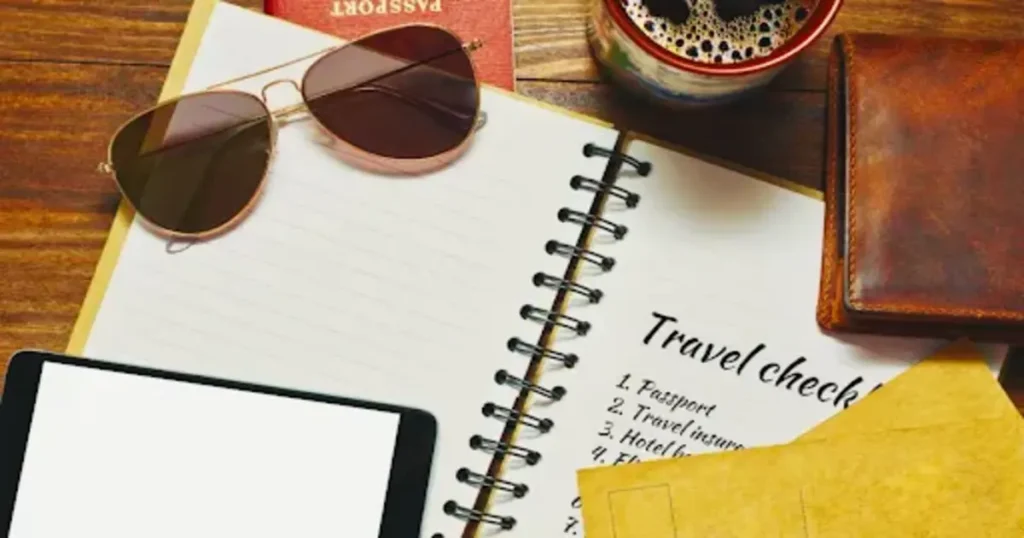
Now that you’ve packed efficiently, let’s ensure your departure day is trouble-free. These final pointers have helped many Zylentrix customers avoid travel mishaps:
Before You Go
- Bag Check: Dodge those extra fees by weighing your luggage beforehand (especially important for budget airlines!).
- ID Tags: Place identification tags on all bags, both inside and outside, using your destination address (not your home address).
- Essentials Bag: Place a toothbrush, fresh socks, and phone charger in your hand luggage, as lost baggage is a possibility.
Tech Checklist
- Offline Maps: Download Google Maps for your destination city before you travel.
- Airport Wi-Fi: Figure out how to connect (for example, Changi Airport might require passport scans).
One customer’s unmarked suitcase was in the lost and found for three weeks.. Don’t let this happen to you!
With these final checks done, you’re officially ready to embark on your adventure. Let’s wrap up with key takeaways.
Already abroad or just landed? Don’t miss our Post-Arrival Support Services to help you settle in stress-free.
Conclusion
Moving abroad should be an adventure, not a stress test. With this comprehensive checklist, you’re not just filling suitcases; you’re strategically preparing for your new life chapter. Remember:
Documents are king – One missing paper can derail your entire move
Pack for practicality – Climate-appropriate, culturally-sensitive, and space-smart wins.
Health and money first – These aren’t areas to cut corners
Still have questions? Our experts analyse your specific destination, duration, and needs to create:
- Personalised packing priorities
- Country-specific prohibited items list
- Budget-friendly shopping tips for your new city
Ready to plan beyond packing? Learn how we help at every stage from choosing a university to transitioning after graduation. Explore our Post-Study Support Services.
Get Your FREE Customised Packing List – Book a 15-Minute Consultation With Our Relocation Experts Today!
Frequently Asked Questions (FAQs)
What are the absolute essentials I should pack when moving abroad?
You should pack your passport, visa documents, academic or work-related papers, health insurance, prescriptions, and emergency contacts. These are non-negotiables and should be in your carry-on bag.
How much clothing should I bring when relocating internationally?
Pack seasonally appropriate clothing for 2–3 weeks, including essentials like undergarments, layers, and formal wear. You can buy more once you settle in, especially bulky items like winter coats.
Can I carry electronic appliances from my home country?
Yes, but check voltage compatibility and plug types. It’s advisable to bring a universal adapter and small electronics like a laptop or phone but large appliances are better purchased locally.
Should I bring food items or groceries from home?
You can bring a few comfort items or sealed, non-perishable snacks, but check customs rules. Many countries restrict the import of meats, dairy, or fresh produce.
What should go in my carry-on bag for an international move?
Include your passport, visa, university/job offer letter, boarding pass, wallet, a set of clothes, basic toiletries, medications, chargers, and a travel pillow for comfort during the journey.