Table of Contents
Planning to study or work in Germany? Discover the top reasons why Germany is a preferred study destination for students and professionals alike. One of the first and most important things you’ll need to do is open a bank account in Germany. Whether you’re paying rent, receiving your salary, managing everyday expenses, or applying for a residence permit, a local German bank account is essential for smooth financial transactions.
While the process may seem complicated at first, the good news is that opening a bank account in Germany is simple once you know the requirements. This step-by-step guide will help international students, expats, and professionals navigate the process with ease. From choosing between traditional and digital banks to understanding the difference between a current account and a blocked account, we’ve got you covered.
We’ll also explore the best money transfer solutions, banking apps, and insider tips to help you avoid unnecessary fees and make the most of your financial setup in Germany. Whether you’re still abroad or have already arrived, this guide will make your German banking journey stress-free and efficient.Before you begin, explore our study abroad guidance services to ensure you’re fully prepared.
Let’s begin by understanding why having a local German bank account isn’t just convenient — it’s absolutely essential.
Now that we’ve established why this is so important, let’s look at whether you can get a head start on the process before even arriving in Germany.
Why You Need to Open a Bank Account in Germany as an International Student or Expat

Having a local German bank account is very helpful; it is almost a necessity for living in Germany. Here’s why:
Firstly, it’s needed for everyday needs such as rent payments (most landlords only accept German bank transfers), paying university fees, and handling regular costs like public transport passes or health insurance. Without one, you’ll constantly have difficulties with cash payments or pricey international transfers.
For students who want to work part-time (up to 120 full days per year), a local account is required to receive your salary – German employers typically don’t pay into foreign accounts. Additionally, many scholarship programs require a German bank account to distribute stipends, even if you are not employed.See how we can help with funding and scholarships.
Most importantly, having a local account can save you money. Using your home country’s card for daily spending involves:
- Fees for foreign transactions (usually 1-3% per purchase)
- Unfavourable exchange rates
- Potential ATM withdrawal fees
With a German account, you’ll get a free EC card (Girocard) that’s accepted everywhere. You’ll also get cheaper SEPA transfers within Europe, and better exchange rates when transferring money to your home country.
Now that you understand why it’s so crucial, you might wonder can you get a head start and open your German bank account before even arriving? Let’s explore your options.
Can You Open a German Bank Account Before Arrival or Online?
Great news for anyone planning a move! Although standard German banks typically require in-person ID checks, some digital banking options allow you to begin the process beforehand. Neobanks such as N26, Bunq, and Wise offer fully online account opening, a great way to get a head start on your German banking.
For international students, a specific solution exists: blocked accounts (Sperrkonto). Services like Fintiba and Expatrio facilitate setting up these visa-required accounts from your home country, with remote verification. This fulfils your visa requirements, granting immediate access to funds upon arrival.Learn how Zylentrix supports you with post-arrival settlement and integration.
However, be aware that most mainstream banks (Deutsche Bank, Commerzbank, and the like) will still require you to:
- Provide documents in person
- Complete Postident identification
- Show your German residency registration (Anmeldung)
For personalised guidance on opening a bank account and other relocation steps, you can also explore Zylentrix’s country-specific support services designed for international students heading to Germany.
Now that you know when to start the process, let’s examine the different types of accounts available so you can choose the one that best suits your needs.
Understanding German Bank Accounts: Which Type Is Right For You?
Germany offers several account types tailored to different needs:
Current Accounts (Girokonto)
The workhorse of German banking, these come with:
- A debit card (usually Girocard)
- Online banking access
- Optional credit card
Best for: Everyday transactions, salary deposits, and automatic bill payments
Blocked Accounts (Sperrkonto)
A special requirement for many student visas:
- Requires depositing €11,208+ (2024 amount)
- Only allows monthly withdrawals of €934
- Offered by Fintiba, Expatrio, and some traditional banks
Savings Accounts (Sparkonto/Tagesgeldkonto)
Offer modest interest (currently 0.5-3%):
- Fixed-term deposits (Festgeld) pay more
- Easy-access accounts (Tagesgeld) provide flexibility
Note: Interest is taxable above €1,000 earnings
For international residents, some banks offer:
- Basic Accounts (Basiskonto) – Guaranteed access
- Multi-Currency Accounts – Helpful for frequent transfers
Pro Tip: Many students maintain both a blocked account (for visa compliance) and a regular Girokonto (for daily use).
Now that you’ve identified the correct account type, let’s prepare your documents the key to a smooth application process.
Essential Documents to Open Your German Bank Account
To successfully open a bank account in Germany, you’ll need to prepare:
Valid Passport (with visa or residence permit if applicable)
Proof of German Address (Anmeldung – your registration certificate from the local Burgeramt)
Student Enrollment Proof (for student accounts – Immatrikulationsbescheinigung)
Blocked Account Confirmation (if required for your visa)
German Tax ID (Steueridentifikationsnummer – helpful but sometimes obtainable later)
Important Notes:
- Some banks may request proof of income (for non-student accounts)
- Digital banks often accept mobile verification instead of Anmeldung initially
- Traditional banks may require in-person verification via PostIdent
Pro Tip: Make photocopies of all documents before your appointment, and check your bank’s website for any special requirements.
Documents checked? Perfect! Now let’s walk through the account-opening process step by step to ensure success.
Your Step-by-Step Guide to Opening a German Bank Account
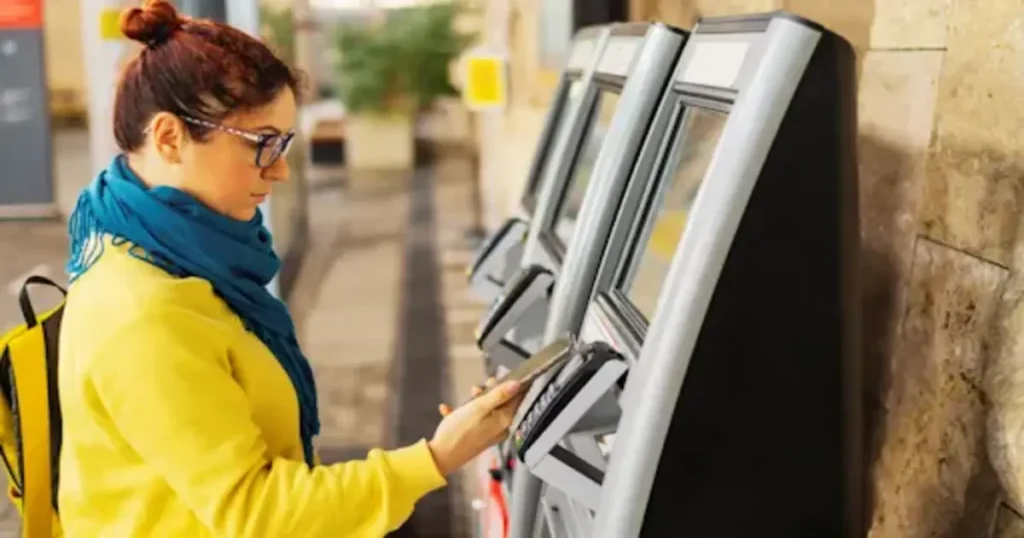
1. Choose the Right Bank to Open a Bank Account in Germany That Suits Your Needs
Traditional Banks (e.g., Deutsche Bank, Sparkasse):
- Ideal if you prefer in-person service
- Often required for blocked accounts
- More paperwork, but widely accepted
Digital Banks (e.g., N26, Revolut):
- 100% online application in English
- Faster setup (often within minutes)
- Fewer fees but limited services
2. Gather Your Documents
Refer to our checklist above, but remember:
- Double-check expiry dates on passports/visas
- Some banks accept a temporary Anmeldung
- Students: Keep the enrollment letter handy
3. Submit Your Application
Online Process:
- Download the bank’s app or visit the website
- Upload document scans (PDFs work best)
- Fill in personal details (ensure accuracy)
In-Person Process:
- Book an appointment online (it saves you hours!)
- Bring the original + copies of all documents
- Ask about English-speaking staff availability
4. Complete Identity Verification
PostIdent: Visit any Deutsche Post branch with your QR code
VideoIdent: Schedule a 10-minute call (evenings/weekends available)
5. Activate Your Account
- Wait 3-5 business days for your IBAN
- Set up online banking immediately
- Download the bank’s app for mobile access
Pro Tip: For traditional banks, ask about:
- Free student accounts (often available until age 30)
- Partner ATMs to avoid withdrawal fees
Now that you understand the process, let’s compare Germany’s top banks to help you make the perfect choice for your needs.
Best Banks in Germany for International Students & Expats
Selecting the right bank in Germany can simplify financial management. Here’s a look at prime choices for international students and expats:
1. Deutsche Bank
Best for: Standard banking plus blocked accounts (Sperrkonto)
Pros:
- Physical branches for assistance.
- Offers blocked accounts, which are necessary for student visas.
- Free ATM access using the Cash Group network (Deutsche Bank, Commerzbank, etc.).
Cons:
- Extended account opening (usually needing Anmeldung and a residence permit).
- English support is less available outside big cities.
2. N26
Best for: Completely digital, easy-to-use banking in English
Pros:
- All operations are handled via a mobile app, providing instant alerts.
- No monthly charges + free ATM withdrawals (up to three per month).
- Offers support in English, French, and Spanish.
Cons:
- No physical locations; some issues with a Belgian IBAN.
3. Wise (formerly TransferWise)
Best for: Multi-currency transfers with low fees
Pros:
- Hold 40+ currencies at mid-market rates.
- No hidden fees (transparent transfer fees from 0.41% to 2%).
- You can open an account before arriving in Germany.
Cons:
- Doesn’t offer a German IBAN (provides Belgian and Lithuanian IBANs).
- Limited banking services (e.g., no loans or overdrafts).
While these banks each bring something to the table, it’s essential to comprehend their fees. Next, we’ll dive into costs.
Understanding German Bank Account Fees
Opening a bank account in Germany is the initial step, and controlling expenses is also essential. Here’s what to know:
1. Monthly Charges
- Classic Banks (e.g., Deutsche Bank, Sparkasse): €3–€10 each month (often free for students under 30).
- Online Banks (e.g., N26, Revolut): €0–€17 per month (premium accounts offer benefits such as travel coverage).
2. International Transfer Charges
- SWIFT Transfers: €5–€30 per transfer plus unfavourable exchange rates.
- SEPA (EU) Transfers: Typically free or €1–€2.
- Alternative Services (e.g., Wise, Revolut): 0.3%–1% fee + interbank rates.
3. Concealed Fees
- ATM withdrawals (€2–€5 outside your bank’s network).
- Printed statements (€2–€5 per month).
Helpful Hint: Always inquire about student deals or free-of-charge plans.
Next step: To sidestep these charges entirely, savvy expats employ clever money-transfer tactics. Here’s how.
Smart Banking Tips for Internationals in Germany

Dealing with German banking as a non-citizen? Here’s how to make it easier and save:
Start Online Banking ASAP
- Get the bank’s app for quick balance checks and money movements.
- Arrange automatic payments for bills to skip late charges.
Get a Girocard
- This debit card is widely used in Germany (everywhere!).
- Skip those extra fees by using it instead of your usual card.
Watch Exchange Rates for Transfers
- Use tools like XE or Wise to get reasonable rates before transferring funds.
- Plan larger transfers for weekdays (rates are often better than).
If you’re unsure about which bank suits your needs best or need help navigating the German financial system, learn more about who we are at Zylentrix and how our team can support your study-abroad journey.
Bonus: Always have some cash on hand, as many small stores still prefer it.
Conclusion: Your Stress-Free Guide to German Banking
Setting up a bank account in Germany can initially appear complex. However, it is pretty simple when you are well-prepared. Regardless of whether you’re an international student in need of a blocked account (Sperrkonto) or an expat searching for options that support multiple currencies, Germany has offerings to suit any requirement. You can open a bank account in Germany through conventional banks like Deutsche Bank or opt for online platforms such as N26 and Wise
Main Points:
- Determine the ideal account type based on your needs (checking, savings, or multi-currency).
- Gather necessary documents ahead of time passport, registration certificate (Anmeldung), and proof of enrollment (if required).
- Evaluate fees closely, particularly those related to international transfers and ATM usage.
- Consider the benefits of digital banking, including its ease of use and English support.
With this knowledge, you’ll be able to manage your money in Germany with confidence.
Ready to Simplify Your German Banking Journey? Explore how Zylentrix can support you every step of the way.
Navigating a new banking system can be challenging, but you don’t have to do it alone. At Zylentrix, we specialise in helping international students and expats settle smoothly into life in Germany.
Our Experts Can Assist With:
Bank Account Setup – From blocked accounts to multi-currency solutions
Visa & Immigration Support – Ensuring you meet all financial requirements
Money Transfer Guidance – Finding the most cost-effective ways to send funds internationally
Take the Next Step Today!
Explore Our Education Consultancy Services – Let us handle the paperwork while you focus on your future.
From banking to visas, we make Germany feel like home.
Frequently Asked Questions (FAQs)
Can I open a German bank account before arriving in Germany?
Yes, some digital banks like N26, Wise, and Fintiba allow you to open an account online before arriving. This is especially useful for international students who need a blocked account (Sperrkonto) to meet visa requirements.
What type of bank account do I need as an international student in Germany?
Most students need a blocked account to satisfy visa regulations and a Girokonto (current account) for daily transactions like rent, groceries, and receiving part-time wages.
What documents are required to open a bank account in Germany?
You’ll typically need a valid passport, proof of German address (Anmeldung), student enrollment letter (if applicable), and sometimes a tax ID (Steuer-ID). For blocked accounts, confirmation from the provider is also needed.
Are there any bank accounts with no monthly fees for students?
Yes, many banks offer fee-free accounts for students under 30. Online banks like N26 and traditional banks like Deutsche Bank often provide special student plans or waive fees with valid student proof.
What’s the best way to transfer money internationally from Germany?
Services like Wise and Revolut offer low-fee, real-exchange-rate transfers and are more cost-effective than traditional banks, which usually charge higher fees and markups on exchange rates.