

Table of Contents
Moving to Australia for studies is exciting until Culture Shock & Homesickness in Australia hit you like a kangaroo at full speed. One minute you’re marvelling at Sydney’s Opera House, the next you’re desperately craving your mum’s home cooking and struggling to decipher Aussie slang. This emotional rollercoaster is entirely usual for international students.
Culture shock – that disorienting feeling when everything, from social norms to supermarket layouts, feels unfamiliar – often goes hand in hand with homesickness, a deep longing for the comforts of home. Together, they can make even the most adventurous student question their decision to study abroad.
But here’s the good news: millions have navigated these feelings before you and emerged stronger. This guide offers practical, psychologist-approved tips to not only survive but also thrive in Australia. You’ll learn how to turn ‘cultural confusion’ into confidence, transform loneliness into new connections, and even discover why Vegemite might grow on you (literally and figuratively).
But first, let’s understand why these feelings happen and how they help you grow.
What Is Culture Shock and Why Does It Happen?

Culture shock is more than just travel fatigue; it’s your brain’s reaction to navigating new social norms, principles, and routines. Psychologists have outlined four likely phases:
- The Honeymoon Stage: The initial weeks are filled with wonder, where everything, even the reversed seasons, feels fresh and intriguing. (Think: taking pictures of every kangaroo crossing sign).
- Frustration: By around the second month, the differences lose their appeal. The laid-back attitude feels like incompetence when you’re waiting weeks for a bank appointment. Barefoot shoppers at Woolworths seem out of place rather than relaxed.
- Adjustment: You slowly begin to decipher the cultural rules. You master Myki cards, get used to hearing “How ya going, mate?, and even form opinions on Tim Tams versus Mint Slices.
- Acceptance: Australia feels like home. You find yourself saying “heaps good” genuinely, and know which cafes offer student discounts.
These phases aren’t rigid you might fluctuate. Surveys of international students indicate that 78% feel the frustration stage most intensely during exams, when everything feels extra foreign.To ease your transition and better understand these stages, explore our pre-departure guidance services for studying abroad.
While culture shock troubles your mind, homesickness affects your emotions. Understanding this emotional aspect is also essential for flourishing abroad.
Understanding Homesickness: A Natural Emotional Response
Homesickness isn’t a flaw; it’s your mind yearning for what’s known amidst unfamiliar surroundings. Brain experts describe it as a survival instinct: being away from your “group” prompts stress signals, urging you back to security. So, missing your mom’s meals or your pal’s jokes isn’t trivial; it’s a scientific fact.
International students often experience the strongest homesickness during:
- Quiet times (such as those Sunday evenings when calls back home feel brief)
- Cultural events (witnessing Diwali/Christmas/Eid festivities from a distance)
- Minor cues (a stranger’s accent like your own, or finding a beloved treat in an Asian store)
Even iconic spots can’t replace your childhood house, and that’s alright. A 2023 study by the University of Melbourne found that 92% of international students experienced homesickness, with most reporting that the feeling peaked approximately 3-6 months after settling in. We support students emotionally and academically through our Australia-specific support programs.
Next, let’s examine the everyday challenges that exacerbate these emotions and explore effective coping strategies.
Common Challenges Faced by International Students in Australia
Australia’s relaxed atmosphere can hide significant challenges when adapting. Let’s look at the top three hurdles you’ll probably encounter:
Communication and Language Differences
When someone says “Bring a plate” at a BBQ (they mean food!), you realise even strong English speakers can be tripped up. You’ll need to:
- Understand slang (“Servo” = gas station, “Maccas” = McDonald’s)
- Get used to straightforward communication (Australians are often direct)
- Learn classroom expressions (“Give it a burl” = try it)
Educational Differences
- The transition to the Australian education system often surprises people:
- Fewer lectures, more independent study
- Class participation often influences grades
- Less formality – professors might prefer first names
- Plagiarism rules are stringent (even unintentional copying can fail)Need help adjusting to academics? Get personalised guidance through our academic support services.
Adapting to Social Norms and Lifestyle
The casual culture extends beyond “no worries, mate”:
- Invitations are frequently spontaneous (“Come over for a barbie tonight!”)
- “Tall poppy syndrome” means that showing off is discouraged
- The outdoor lifestyle dominates; weekends are often for beaches/hiking, not malls
- Alcohol plays a significant role in socialising (but it’s perfectly okay not to drink)
Feeling lost? These practical tips will transform cultural confusion into confidence, starting with getting the hang of Aussie life.
Tips to Overcome Culture Shock in Australia

Culture shock doesn’t need to be a disaster with these successful tactics, you’ll feel right at home in no time:
Investigate Aussie Culture and Language (Like a Secret Agent)
Entertainment focus: Watch “Bluey” (yes, the children’s program!) to understand family structure, or “Kath & Kim” for a taste of suburban comedy.
- Slang starter kit: Learn these basics:
- “Sanga” = sandwich
- “Choccy bikkie” = chocolate biscuit
- “Doona” = duvet
- Follow @thebigaussiequiz on Instagram for daily cultural quizzes.
Build Both Local AND International Friendships (Mix It Up)
The 70/30 approach: Aim for 70% local friends (to learn the culture) and 30% international (for common ground).
Friendly advice: Aussies are helpful – ask a classmate to explain the rules of footy over a cup of coffee.
Join groups that encourage interaction:
- Surf lifesaving clubs (which offer free training).
- Volunteer programs like Bush Regeneration.
Get Involved in Clubs and University Activities (Even If You’d Rather Not)
Golden opportunity: O-Week is your best time to make friends – make yourself go.
Unexpected conversation starters:
- Trivia nights (Australians love competition about random facts).
- “Free BBQ” events (uni code for free food + socialising).
- Quick tip: Small university? Look for city-wide meetups on Meetup.com.
Our post-arrival support services can help you connect with local communities and campus groups.
While culture shock gets easier as you adjust, homesickness often needs specific strategies, especially when those late-night cravings for food from home kick in.
How to Deal With Homesickness While Living Abroad
Homesickness can sneak up on you unexpectedly, perhaps in a silent dorm room or when a scent triggers a flood of memories. Here’s how to turn that longing into a positive experience:
Maintain Connections While Staying Present
The 20-Minute Limit: Keep calls home brief when feeling down (prevents getting too caught up).
Creative ways to communicate:
- Create a shared family photo album on Google Photos.
- Send handwritten postcards (Australians still appreciate this!).
- Time zone trick: Schedule calls for your mornings (their evenings), when you have plans immediately after.
Bring Your Comforts With You (No Shame in it!)
A taste of home:
- Cook one family recipe each week (tip: Asian grocery stores often carry Maggi noodles).
- Find your “third place” (a cafe, library spot, or park that feels like your own).
Sensory comforts:
- Use the same laundry detergent you use at home.
- Play familiar background noises (monsoon rain, city sounds).
For more help in adjusting your routine, check out our during-study lifestyle and academic support.
Craft a New Narrative Through New Experiences
The “First Time” Challenge: Each month, try something you’d never do at home:
- Try Vegemite (correctly: butter it first!).
- Camp under the stars in the Southern Hemisphere.
Memory-making locations:
- Great Ocean Road for incredible photos.
- Explore hidden laneway cafes in Melbourne (start a “discovery journal”).
These approaches aren’t just temporary fixes; they’re strategies for building strong resilience. And here’s how that transformation unfolds.
Building Resilience and Adapting to a New Culture
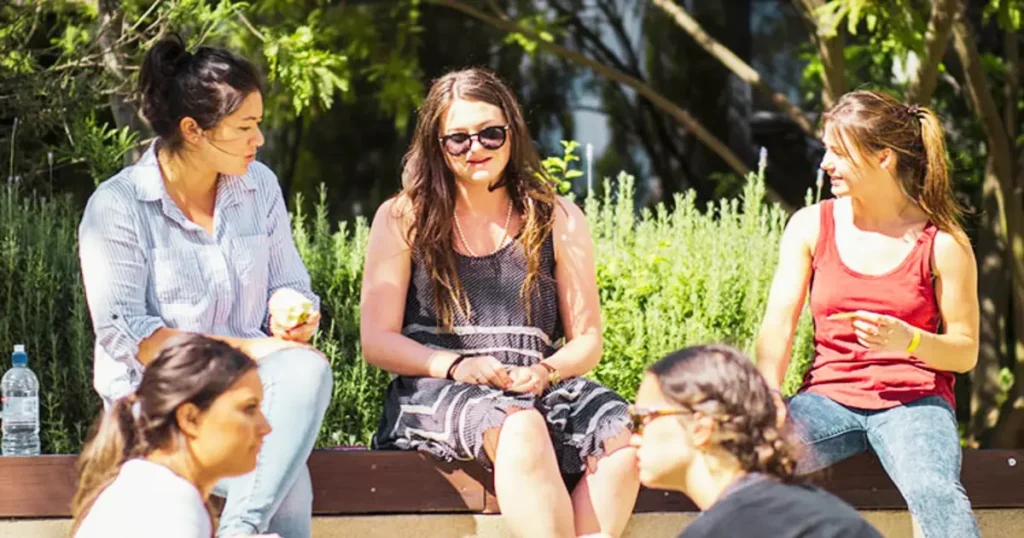
Every international student’s experience often includes this pattern: unease → understanding → adjustment. The awkward situations, like mispronouncing “Melbourne” (it’s “Mel-b’n”, not “Mel-born”) or unintentionally offending someone by declining a drink, aren’t mistakes – they’re lessons about culture.
The Growth Mindset Change
- Reframe: Each puzzled response to “How was your weekend?” (when Australians want a story) develops conversational skills.
- Monitor achievement: Start a “Success Jar” – not only for academic marks, but for:
- First correct use of slang (“Absolutely, the gas station has cheap sausages!”)
- Using Coles’ self-checkout without needing help
- Grasping why Australians love Bunnings sausage sizzles
The Resilience Benefit
University of Sydney studies reveal that students who record minor cultural wins adapt 40% quicker. That moment when you finally understand why Australians:
- Remove shoes inside (but not at BBQs)
- Say “no worries” when they mean “you’re welcome”
- Wear shorts in cold weather
However, resilient students recognise that even those who adapt well sometimes need help. And Australia provides excellent resources.
When to Seek Help: Support Services for International Students
Knowing when to seek help truly demonstrates cultural smarts, not inadequacy. Zylentrix offers complete educational consultancy support to help students like you adapt emotionally, culturally, and academically. Australia provides excellent (and often no-cost) resources specifically for this adjustment:
University Counselling Services
- Hidden benefit: Many universities provide sessions in your first language.
- Pro tip: Reserve a slot early; they fill up quickly during exam times.
- Example: UNSW’s complimentary “Intercultural Resilience” workshops.
Cultural Community Lifelines
- Facebook groups:
- “Indians in Melbourne” (37k members)
- “Brazilians in Sydney” (weekly meetups)
- Religious centres: Numerous places organise free potluck dinners.Get help connecting with cultural groups before you arrive by using our university selection and cultural placement services.
24/7 Professional Support
- Beyond Blue (1300 22 4636): Specialises in mental health for international students.
- Headspace: Offers free online chats with counsellors who are fluent in several languages.
- Emergency hack: Call “000” and request the “mental health crisis team.”
As you reflect on this period of cultural acclimation, remember that every international student has faced this challenge, and many have emerged from it even more resilient. Explore our complete range of student support services to thrive through every phase of your Australian academic journey.
Conclusion Your Journey From Surviving to Thriving
Culture shock and homesickness are like Australia’s weather – intense at first, but you’ll soon learn to navigate the changes. Those early struggles? They’re forging resilience that will benefit you far beyond your student years.
Remember:
✓ What feels foreign today will feel familiar tomorrow (yes, even Vegemite toast)
✓ Every awkward moment is collecting a story you’ll laugh about later
✓ Growth happens at your own pace – koalas didn’t adapt to eucalyptus overnight
You’re not alone in this adventure.
Struggling to find your footing? Our Study Abroad Guidance specialists help hundreds of students:
- Decode cultural nuances through personalised mentoring
- Build practical coping strategies for homesickness
- Navigate everything from visa paperwork to making local friends
Need More Help Right Away?
Explore all our student services on the Zylentrix
Have a question? Contact Us and get support from real experts who’ve walked this journey. Book your free consultation today
because every great Australian adventure begins with the proper support.
Frequently Asked Questions (FAQs)
Is it normal to experience culture shock and homesickness while studying in Australia?
Yes, absolutely. Nearly all international students go through some level of culture shock and homesickness. It’s a natural response to being in a new environment with unfamiliar social norms, language, and lifestyle.
How long does it take to adjust to life in Australia as an international student?
Most students begin adjusting within 2–4 months. The timeline varies depending on personal resilience, support systems, and engagement with local culture. Typically, students progress through phases like honeymoon, frustration, adjustment, and acceptance.
What are some signs that I might be struggling with homesickness or culture shock?
Common signs include:
- Feeling isolated or sad for no clear reason
- Difficulty sleeping or concentrating
- Avoiding social interaction
- Craving familiar foods or routines
- Feeling overwhelmed by simple tasks
How can I overcome homesickness while living abroad in Australia?
Maintain regular communication with family, join local student clubs, try familiar foods, build a routine, and engage with both international and local students. Small habits, like cooking a dish from home or exploring local cafés, can ease the transition.
Where can I get help if I’m feeling overwhelmed in Australia?
You can seek support from:
- University counselling and student wellbeing centres
- Peer support groups and cultural student associations
- Zylentrix’s Australia-specific student support services
- Free mental health resources like Beyond Blue or Headspace