

Table of Contents
Landing in the UK as an international student brings both excitement and a lengthy to-do list at the very top? Opening a bank account.
Why is this so crucial? Imagine:
• Paying £25 in fees every time your family sends money from home
• Struggling to prove your address when applying for part-time jobs
• Missing out on student discounts and cashback offers

Start Your UK Bank Account Application Today! We will assist you.
This comprehensive guide solves all that. We’ll walk you through:
The surprising documents you need (hint: some banks accept less than others
- How to open an account BEFORE arriving in the UK
- Clever ways to avoid proof-of-address headaches
- Which banks offer the best perks for students like you
Additionally, we’ll share money-saving hacks for international transfers that even many British students are unaware of.
Landing in the UK as an international student brings both excitement and a lengthy to-do list and opening a bank account tops that list. Explore our full UK student support services to get tailored help with settling in.
Before we dive into paperwork, let’s understand why skipping this step could cost you hundreds of pounds.
7 Compelling Reasons Every International Student Needs a UK Bank Account
Even though it’s possible to use your home bank account in the UK, here’s why a local account is better:
1️. Save on Transfer Fees (80 %+)
- Typical international fees: 3-5% per transfer
- UK account-to-account transfers: Usually FREE
2️. Get Paid Correctly for Part-Time Jobs
- UK employers prefer local accounts
- Avoid currency conversion fees on your earnings
3️. Make Payments Easily
- Set up direct debits for:
✓ University accommodation (£)
✓ Mobile contracts (no roaming charges)
✓ Utility bills (often needed for rentals)
4️. Build Your UK Financial History
- Establish a credit record for:
- Future phone contracts
- Renting nicer apartments
- Possible post-study work visas
5️. Get Student Benefits
- Special accounts offer:
- Free 16-25 Railcard (save 1/3 on travel)
- Cashback at campus shops
- Interest-free overdrafts up to £3,000
6️. Avoid Financial Issues
- Immediate access to funds instead of waiting for transfers
- Local debit cards are widely accepted (some shops decline foreign cards)
7️. Manage Your Money Better
- Track spending in GBP without conversions
- Use money management apps like Monzo/Starling
Pro Tip: Open your account within a month of arrival to finish the process before you’re swamped with studies!
Now that you understand the importance of this, let’s help you gather the necessary documents.
The Essential Document Checklist for Opening Your UK Bank Account
To open a bank account as an international student, you’ll generally require these four essential documents:
1️. Identity Confirmation
✓ Valid Passport
✓ OR Biometric Residence Permit (BRP) – if you have it
2️. Proof of UK Residence
- Accommodation letter from your university (usual)
- Utility bill (if residing off campus)
- Bank letter from your home country (accepted by certain banks)
3️. Confirmation of Student Status
✓ CAS (Confirmation of Acceptance for Studies) letter
✓ University enrollment letter (get from Student Services)
4️. UK Contact Information
- UK phone number (get a SIM card first!)
- Valid email address
Important: Banks have slightly different requirements – always review their website beforehand.
Pro Tip: Before your meeting, photocopy all documents. Some bank branches retain copies.
No UK address proof yet? Many students have this dilemma. Here’s a solution.
Can You Open a UK Bank Account Without Proof of Address?
Certainly! For international students and non-residents, these three alternatives can work around the standard address proof required by most UK banks:
1️. University-Issued Letter
- Many UK banks require a letter from your university that verifies your hall address.
- Suggestion: Obtain this from your student services—it’s frequently the most straightforward choice, 510.
2️. Digital Banking Platforms (Revolut, Monzo, Monese)
- Revolut: Offers e-money accounts that only require a passport or ID (basic plans don’t require a UK address).
- Monzo: Requires UK residency but may accept alternative documents, such as a visa or CAS letter.
- Plus: These apps offer international transfers with no fees, convenient for students receiving money from their home country.
Opening a digital bank account before arriving can save you hassle. Get expert pre-departure guidance for UK banking and more to ensure a smooth transition.
3️. Barclays International Account
- This is designed for non-residents; it accepts proof of address from abroad (e.g., a bank statement from your home country)511.
- Keep in mind: A minimum deposit might be required (£1,000+)11.
Important Hint: If you’re already in the UK, consider opening a basic bank account (such as with Lloyds or HSBC) certain branches accept a letter from a homeless shelter or a letter verifying benefits if you lack standard identification.
Moving on: Are you ready with your documents? Here’s a guide to applying, whether doing it online or in person.
How to Open a UK Bank Account: Online vs. In-Person Process
Here’s how to get your account set up easily:
1. Examine Your Bank Choices
Consider:
- Account options (basic, student, international).
- Branch locations near your school.
- App reviews (especially for foreign money transfers).
Hint: Check comparison websites like Money Saving Expert or bank websites.
2. Schedule a Meeting or Start Online
In Person:
Visit the bank’s website to schedule a new account appointment (it’s preferable to show up).
Bring originals (no copies).
Online/Digital Banks (e.g., Monzo, Starling):
- Download the app and verify ID with a video selfie.
- Typically takes 10–15 minutes.
3. Provide Your Paperwork
You’ll need:
- Passport/BRP.
- Proof of address (or substitutes – see section 3).
- CAS/student letter.
Please note that some banks may require additional documents (e.g., a bank statement from your home country).
4. Activate Your Account
Traditional Banks:
- Allow 5–7 days for your debit card to arrive in the mail.
- Activate via ATM or the mobile app.
Digital Banks:
- Retrieve your account number and sort code immediately (within the app).
- Obtain a virtual card immediately for online shopping.
Choosing the right bank is crucial, as some offer rail cards, free transfers, or cash back. Here’s an overview of the best student options.
Best UK Banks for International Students in 2024: Full Comparison
Picking the right bank can potentially save you substantial money while studying. Here’s a comparison:
High Street Banks
Ideal for: Students wanting in-person assistance
✓ Advantages:
- Branches on or near campuses
- Student-specific advisors
- Excellent fraud prevention
✗ Disadvantages:
- Application approval takes 7-10 days
- More stringent documentation is needed
Digital Banks (Revolut, Monzo, Starling)
Ideal for: Tech-oriented students prioritising quickness
✓ Advantages:
- Accessible anytime through the app (even before arriving in the UK)
- Free international transfers (Revolut: 30+ currencies)
- Instant spending notifications
✗ Disadvantages:
- No cash deposits
- Fewer overdraft options
The “Big Four” – Student Account Benefits
Barclays
- Complimentary 16-25 Railcard (£30 annual value)
- £1000 interest-free overdraft
- Best for: Students travelling around the UK
Lloyds
- Free NUS/TOTUM discount card
- Up to 15% cashback at major retailers
- Best for: Students on a budget
HSBC
- Global Money Account (holds 20+ currencies)
- £100 switching bonus (subject to terms)
- Best for: Students frequently receiving money from abroad
NatWest
- 1-year free Amazon Prime Student (£39 value)
- Complimentary 4-year Mastercard® debit card
- Best for: Online shoppers
Key Things to Consider:
- How quickly do you need the account set up
- Whether you require cash services
- Your international transfer needs
Now that you’ve seen the options, let’s examine the available account types. The right choice can unlock valuable student benefits…
Choosing the Right UK Bank Account: A Student’s Guide
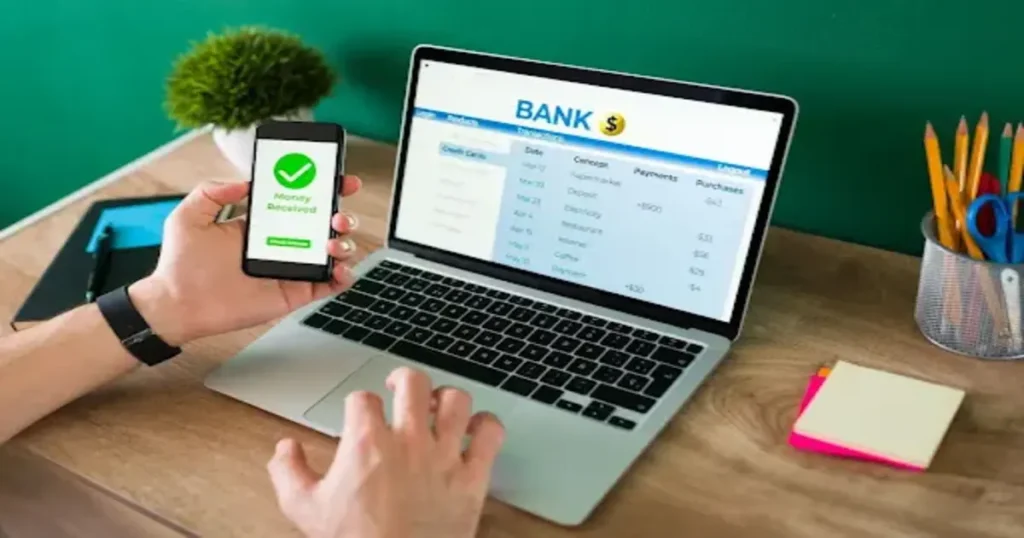
Choosing the correct account can save you cash and offer special advantages. Here are the main options:
Basic Bank Account
Best for: Students who prefer easy banking
✓ Features:
- No overdraft
- No monthly charges
- Free debit card and online banking
✗ Limitations:
- No extras or bonuses
- Might not handle international payments
Example: HSBC Basic Account
Student Account
Best for: Full-time, international students
Top benefits:
- Free 16-25 Railcard (saves on travel)
- Amazon Prime Student (free for a year)
- Interest-free overdrafts (£500-£3,000)
Requirements:
- Proof of being a full-time student
- UK address
Pro Tip: Apply in September when banks compete for students!
International Student Account
Best for: Students needing international transactions
Advantages:
- Hold different currencies (GBP, USD, EUR)
- Low-cost international transfers
- Dedicated customer support
Considerations:
- Higher minimum balance needed
- Possible monthly charges
Example: Santander International Account
Digital E-Money Account
Best for: Quick setup before arriving in the UK
Perks:
- Open remotely with your passport
- Instant spending notifications
- Budgeting tools
Example: Revolut Student
While these accounts offer great features, hidden fees can quickly affect your finances. Here’s what to look out for.
Hidden Bank Fees to Avoid as an International Student
Don’t let surprise charges drain your funds! Be aware of these typical expenses:
ATM Withdrawals
- UK ATMs: Usually free with your bank
- Overseas: £1.50-£5 per withdrawal + 2.99% currency charge
- Smart Choice: Consider Starling Bank (no foreign ATM fees)
International Payments
- Bank Rates: 3-5% fee + unfavourable exchange rates
- Better Choices:
✓ Wise: From a 0.41% fee
✓ Revolut: Free transfers (weekdays)
✓ Monese: Flat £2.99 per transaction
Monthly Account Fees
- Most student accounts: No charge
- Premium accounts: £5-£15/month (often can be avoided)
Other Hidden Fees
- Card replacement: £5-£15
- Unauthorised overdraft: Up to £6/day
- Paper statements: £5/month
While banks offer perks, hidden costs can pile up. Discover financial aid strategies to maximise your student budget and avoid financial pitfalls from the start.
Pro Tip: Always review the FCA-approved fee schedule before opening an account. Some banks charge up to £25 for international payments!
How to Send and Receive Money Internationally: Smart Solutions for Students
As an international student, sending money effectively is crucial. Here’s what you should consider:
1️. Wise (Formerly TransferWise)
- Good for: Routine transfers to family
- Costs: Starting at 0.41% (typically much cheaper than banks)
- Swiftness: 1-2 working days
- Extra: Store over 50 currencies in one account
2️. Revolut
- Great for: Immediate peer-to-peer payments
- Charges: Free on weekdays (1% on weekends)
- Benefit: Spend internationally without FX fees, up to £1,000 monthly
3️. University Payment Portal
- Best for: Paying tuition fees
- Benefit: Avoid intermediary bank fees
- Reminder: Always include your student ID as the reference
4️. PayPal
- Suitable for: Small, urgent transfers
- Beware: 3-5% fee and unfavourable exchange rates
5️. Bank Drafts (For Significant Sums)
- Good for: Initial accommodation deposits
- Charge: £15-£30 per draft
Pro Tip: Set up the recipient’s details beforehand to prevent delays when you need money quickly.
Now that you know how to send money internationally, let’s explore how to manage your UK account expertly.
7 Smart Ways to Manage Your UK Bank Account Like a Pro
Master your money with these key pointers for international students:
1️. Automate Payments
- Set up recurring payments for:
- University housing
- Phone contracts (avoid roaming fees)
- Utility bills (often a landlord requirement)
2️. Utilise Budgeting Apps
- Money Dashboard: Monitor all accounts in one spot
- Monzo Pots: Establish savings targets for trips back home
- Splitwise: Divide bills with housemates fairly
3️. Prioritise Security
- Activate two-factor authentication
- Never disclose your PIN or online banking password
- Sign up for bank alerts about suspicious activity
4️. Student Benefits
- Get free railcards/Amazon Prime through student accounts
- Use on-campus ATMs to skip fees
5️. Savvy Saving
- Open a savings account (e.g., Santander 1-2-3)
- Set up standing orders for regular savings
6️. Tax Considerations
- Keep records of international transfers exceeding £1,000
- Download bank statements before departure
7️. Post-Graduation Planning
- Transition to a graduate account six months before graduating
- Think about credit-building cards if remaining in the UK
Once you’ve opened your bank account, managing your funds efficiently becomes key. Get help settling in and managing your UK life with our post-arrival support services.
Pro Tip: Set a monthly spending review date to analyse your finances.
With these strategies, you’re all set to navigate your UK banking experience confidently.
With years of experience helping students worldwide, learn more about Zylentrix and how we support global students on their journey abroad.
Conclusion: Your Stress-Free Banking Journey Starts Here
Navigating UK banking as an international student doesn’t need to be overwhelming. With your documents prepared and this guide at hand, you’re now equipped to:
- Open an account within days of arrival
- Avoid hundreds of unnecessary fees
- Access exclusive student perks most newcomers miss
Remember – the bank you choose today will impact your entire study experience, from paying rent to receiving money from home.
Take action now while this information is fresh:
➤ Begin Your Application in Just 15 Minutes
➤ Discover Which Bank Offers the Best Student Rewards
➤ Download Your Free Checklist: 5 Banking Mistakes Every International Student Makes
Ready to set up your UK student life?
Book a free consultation to get step-by-step assistance with your bank account and more.
Your future self in the UK will thank you for establishing innovative banking from the very beginning. The only question is which benefit will you claim first?
Frequently Asked Questions (FAQs)
Can international students or newcomers open a bank account in the UK?
Yes, international students and newcomers can open a UK bank account. You’ll typically need a valid passport, student visa (if applicable), proof of address in the UK, and a university enrollment letter or job contract.
What are the best banks in the UK for international account holders?
Popular banks that cater well to international customers include Barclays, HSBC, Lloyds Bank, NatWest, and Monzo. Some also offer student-specific or expat-friendly accounts with no monthly fees and easy money transfer options.
How long does it take to open a bank account in the UK?
It can take anywhere from a few minutes (for online-only banks like Monzo or Revolut) to up to 7–10 working days with traditional banks, depending on your documentation and chosen bank.
What is the cheapest way to send money internationally from the UK?
Online services like Wise (formerly TransferWise), Revolut, and PayPal typically offer lower fees and better exchange rates compared to traditional bank transfers. Always compare rates before transferring.
Is there a limit on how much money I can transfer internationally from the UK?
There is no fixed legal limit, but large transfers (usually above £10,000) may require additional documentation due to anti-money laundering regulations. Always check with your bank or service provider for specific limits.