Table of Contents
Picture yourself walking across a vibrant American campus, surrounded by new friends from around the world but first, there’s that daunting visa process standing between you and your dream. Take a deep breath! Every year, over 500,000 international students successfully navigate the F1 visa journey, and with this 2025 guide, you’ll join them with confidence. We’ve broken down every step from your first document to that final interview handshake into simple, actionable advice, so you can trade stress for excitement as you prepare for your American adventure.

Before diving into paperwork, it’s crucial to understand which visa type matches your study plans. Think of this as choosing the right vehicle for your journey we’ll help you pick the perfect one.
Understanding Your U.S. Student Visa Options
The U.S. offers three main student visa pathways, each designed for different study purposes:
- F1 Visa (Academic Studies)
- The gold standard for degree-seeking students
- Duration: Covers your entire program + Optional Practical Training (OPT)
- Work perks: On-campus employment + 1-3 years OPT after graduation
- Over 75% of international students choose the F1 visa process for its flexibility
- J1 Visa (Exchange Programs)
- For cultural exchange participants
- Duration: Program-specific (typically 1-2 years)
- Work rules: Strictly tied to exchange objectives
- Bonus: Some programs require a home country return for 2 years
- M1 Visa (Vocational Training)
- For technical/non-academic institutions
- Duration: Up to 1 year (extensions possible)
- Work limitations: No off-campus employment allowed
Key Differences at a Glance:
Feature | F1 Visa | J1 Visa | M1 Visa |
Work Options | Most flexible | Program-specific | Very limited |
Duration | Longest | Medium | Shortest |
Spouse Rules | F2 can’t work | J2 can work | M2 can’t work |
While the F1 visa process for international students dominates, Sarah from London found the J1 visa perfect for her museum studies exchange program.
Considering study destinations beyond the USA? Explore our complete country-specific support services at Zylentrix.
Chosen your visa type? Great! Now let’s walk through the application journey we’ll make it as easy as following a campus map.
Your 2025 U.S. Student Visa Roadmap: From Acceptance to Approval
The F1 visa journey is like following a recipe – skip a step and things might not go smoothly. Here’s your straightforward guide:
1️ . Get Your Key (I-20 Form)
- Get accepted by a SEVP-approved school
- Make sure all I-20 details exactly match your passport
- Important note: Some schools like Harvard issue I-20s within a week, while others could take up to 3 weeks.
2️ . Pay Your SEVIS Fee ($350)
- Pay using Form I-901 at fmjfee.com
- Print the confirmation; you’ll need it twice.
- Heads up: This is not your visa fee (that comes later)
3️ . Complete the DS-160 Form
- The 90-minute online application
- Have ready: Travel history, family info, 5 years of address history
- Good idea: Save your application ID after each session
4️ . Book Your Interview
- Wait times can be very different (Delhi: 45 days versus London: 5 days)
- Use the CGI Federal portal to schedule
- 2025 Update: Post-pandemic, interview waivers are not common for initial applications.
5️ Interview Day Preparation
- Arrive 30 minutes early with all your documents
- Dress professionally
- Success Tip: Practice answering in 20-30 seconds – officers value concise answers”
Important Timeline (Work Backwards):
Program Start Date → (-30 days) Visa Issuance → (-60 days) Interview → (-90 days) DS-160
When Raj from Mumbai applied last spring, he discovered that his local consulate had a 62-day wait, prompting him to request urgent processing. Don’t let this happen to you!
Turn Your American Dream Into Reality with Zylentrix!
Our visa experts streamline your entire USA student visa process hassle-free, fast, and reliable. Start Your Application with Zylentrix Now!
Now that you know the process, it’s time to pack your documents. Leaving something out could mean starting over here’s a complete checklist.
The Ultimate 2025 U.S. Student Visa Document Checklist
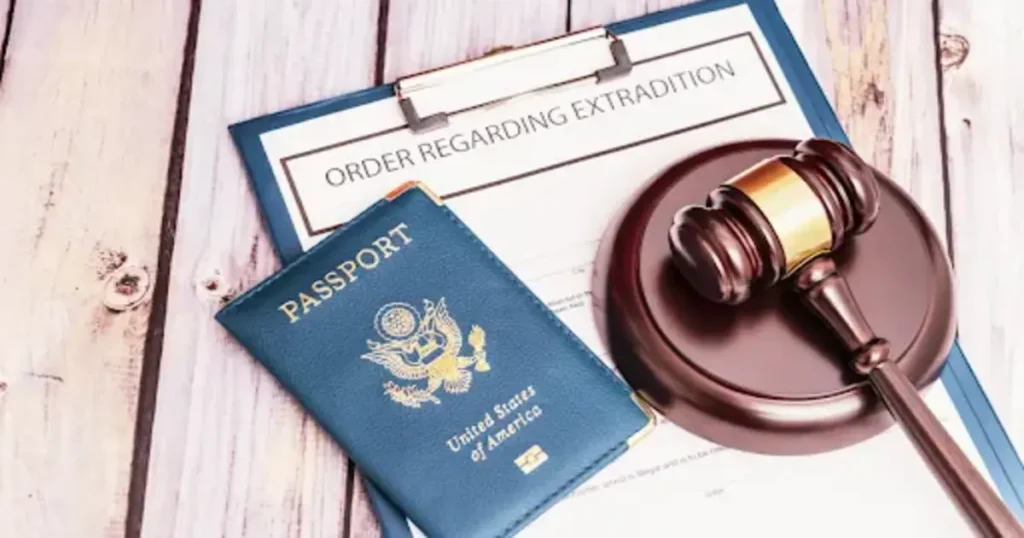
Treat your visa application like a puzzle; all the pieces must fit together. Here’s a complete set of documents, arranged for easy prep:
Must-Have Basics
- Passport (good for at least 6 months past your program’s end date)
- Original I-20 Form (signed by you and the school)
- DS-160 Confirmation Page (print with barcode)
- SEVIS Fee Receipt (proof of I-901 payment)
- Visa Appointment Letter (with proof of MRV fee)
Academic Records
- Acceptance letter from your U.S. school
- Official transcripts/degree certificates (translated if not in English)
- Standardised test results (TOEFL/IELTS, SAT/GRE if required)
Financial Support (Carefully Reviewed!)
- Bank statements (3-6 months; show funds for at least a year of costs)
- Sponsorship letters (if using family money; include sponsor’s passport copy)
- Scholarship/financial aid letters (if relevant)
Need help organising your application materials? Zylentrix provides detailed pre-arrival support for every admitted student.
Supporting Items That Help Your Case
- Resume/CV (for grad students)
- Prior U.S. visas (if any)
- Connections to home country (property deeds, family commitments, job offers after graduating)
Pro Tip: Maria from Nigeria was asked for her sponsor’s tax returns, a document not listed in the general information. It’s wise to have extra financial records prepared!
Visual Help: Download Our Interactive Checklist PDF – Ensure You Have Everything!
While gathering documents seems straightforward, many applications struggle with financial evidence. Let’s go over precisely what visa officials want to see and how to submit it successfully.”
Financial Requirements for Your U.S. Student Visa: The 2025 Guide
The US government aims to make education financially accessible. Here’s how to show you can financially support your studies for your F1 visa:
What Funds Are Needed?
You have to show sufficient money to cover:
- 1 year of tuition (see your I-20)
- Living costs (generally $10,000-$15,000 per year, based on where you live)
- Other costs (health coverage, books, travel)
Example: A university with a $30,000 tuition in Boston requires proof of around $45,000 in financial aid.
Acceptable Financial Proof
- Bank statements (3-6 months; watch out for massive deposits)
- Scholarship letters (signed by the providing organisation)
- Sponsor affidavits (notarised if using family money)
- Student loans (approval letter from approved banks)
Upcoming 2025 Changes:
- Some consulates might ask for sponsors’ tax returns (2 years)
- Cryptocurrencies are not accepted as proof of funds
- Gifts must be documented with notarised letters
Upcoming US visa rules for students in 2025 highlight that a reliable income and unexplained large deposits could raise concerns.
Pro Tip: Carlos from Brazil included employment verification letters from his parents. This provided proof of stable earnings, boosting his application.
While finances prove your ability to study in the US, you also need to demonstrate you’re capable of academic success. This is where your English proficiency becomes essential.
Proving Your English Skills for the U.S. Student Visa
Although your acceptance letter certifies your academic qualifications, obtaining a visa requires demonstrating your ability to succeed in English-speaking classes. Here’s some key information:
Tests for English Proficiency
- TOEFL iBT (Often required): A score of at least 80 for undergraduate studies, 90 for graduate programs
- IELTS Academic (Another option): Overall band score of 6.5 or higher
- Duolingo (Gaining popularity): A score of 110 or higher at certain universities
Requirements vary – For example, MIT requires a TOEFL score of 100+, while some state schools might accept 79.
Don’t forget to include English proficiency results in your academic portfolio.
Need help preparing? Contact Zylentrix’s education specialists through our core consultancy services.
Who Doesn’t Need to Take a Test?
- Graduates of schools where English is the primary language of instruction (4+ years)
- Citizens of English-speaking countries
- Some students in dual-degree programs
Helpful Hint: Even if you’re exempt, bring school records showing English instruction – visa officials sometimes request to see these.
Transition: Once you’ve fulfilled the document and language prerequisites, there’s one last thing between you and your visa – the crucial interview. Let’s change this challenge into an opportunity to excel.
Ace Your Visa Interview: 2025 Strategies That Work
The quick interview can make or break your American dream, but with these proven tactics, you’ll enter ready and leave with success.
Top 5 Interview Queries (And How to Respond)
- Why this institution?
✅ Positive: Their robotics centre matches my AI research aspirations (references a professor’s work).
❌ Negative: It’s top-ranked/I enjoy the climate.
- How will you cover your expenses?
✅ Positive: My dad’s tech company furnishes $40,000 yearly (shows business papers + 6-month bank records).
❌ Negative: My uncle in California will assist me.
- Post-graduation aspirations?
✅ Positive: I plan to work at my family’s renewable energy company in Delhi (provides a job confirmation letter).
❌ Negative: I aim to work in Silicon Valley.
Dress Right. Speak Right. Prepare Right.
Learn more through our personalised visa mock interviews at Zylentrix. Book now.
Dress Code & Essentials
- Attire: Business casual (blazer for men, dress for women)
- Required Items: Original documents in a folder + campus map printout
- Leave at Home: Phone, smart watch, excess jewellery 2025 Warnings
- Mentioning marriage prospects to a U.S. citizen
- Sounding too scripted (be natural)
- Offering information conflicting with your DS-160 form
Innovative Method: Mirror exercise – record yourself responding until it sounds unscripted, not robotic.
Next Step: Visa secured? The real journey starts! From airport entry to maintaining status, here’s your freshman-year survival guide.
After the Visa Stamp: Your Essential 2025 Pre-Departure Checklist

Obtaining your visa is a significant achievement! To make sure your move to campus goes well, do these things:
Immediately After Approval (First 3 days)
- Check your I-20: Ensure it matches the visa you have been issued.
- Pay Deposit: Guarantee your spot (often 10-15% of tuition).
- Sign up for Orientation: This is required for new international students.
Before You Leave (4-8 Weeks Before)
- Buy Flights: Plan to arrive a month before classes begin.
- Find Housing: On or off campus (utilise school resources).
- Health Checks: Get your vaccinations and TB tests.
Need relocation advice? Our post-arrival support covers housing, orientation, and campus life tips.
Staying in F1 Status (Avoid These Issues!)
- Course Load: At least 12 credits (undergrad) or 9 (grad).
- Work Rules: On-campus jobs: up to 20 hours per week during the semester.
- Update Address: Report any changes within 10 days through the SEVP portal.
Pro Tip: Use the CBP MPC App to skip immigration lines at big U.S. airports!
Important Note: “Even with good planning, problems can pop up. Here’s how to deal with common issues before they become urgent.”
Troubleshooting Visa Hurdles: 2025 Solutions That Work
. Even well-crafted applications sometimes face hurdles. Here’s how to overcome common challenges:
Visa Rejections: Recover Swiftly
- First Steps: Obtain the rejection letter (often called INA 221(g))
- Reapplying: Solidify connections to your home country with:Property documentation, Employment contracts for your return, Proof of family support.
Rahul from Mumbai submitted his mother’s medical files demonstrating her need for his support, and it was approved on the second try!
Processing Slowdowns: Expedite the Process
- Urgent Action: Provide evidence of the program’s immediacy (I-20 start date within 60 days)
- Seek Assistance: Your U.S. university can contact your local Congressional representative
Status Issues: Stay in Good Standing
- Late Entry: Contact your DSO right away (maximum 30 days after program commencement)
- Reduced Course Load: Requires prior approval based on medical or academic justification
Need urgent help with your visa status or delay? Visit our student support services page.
Though these obstacles can seem overwhelming, remember your U.S. degree will unlock incredible worldwide possibilities. Let’s look at what awaits you after you graduate.
Your American Career Launchpad: Post-Study Opportunities
Your F1 visa unlocks powerful career pathways in the U.S. – if you strategise early:
Immediate Options (OPT)
- Standard OPT: 12 months of work authorisation
- STEM OPT Extension: +24 months for qualifying degrees
- Pro Tip: Start OPT applications 90 days before the program ends.
Long-Term Pathways
- H1B Visa: Employer-sponsored (annual lottery in March)
- EB-2/NIW: Advanced degree holders can self-petition
- L1 Visa: Transfer with multinational employers
2025 Alert: New International Entrepreneur Rule may allow startup founders to stay
As you weigh these exciting options, remember – every successful international student started exactly where you are now. Let’s wrap up with your action plan.
Your American Dream Starts Here Final Steps
You’ve just armed yourself with the most comprehensive 2025 F1 visa guide available the same insights that helped Priya from Delhi secure her NYU visa in just 18 days. While the process demands attention to detail, remember this: 83% of prepared applicants succeed on their first try. At Zylentrix, we turn visa stress into success stories every semester. Why navigate this alone when our experts can personally guide you from I-20 to interview victory?
Zylentrix offers personalized visa assistance, university guidance, and end-to-end support for your study abroad journey.
Book a free consultation today!
Frequently Asked Questions (FAQs)
What is the difference between the F1, J1, and M1 student visas?
The F1 visa is for academic studies and is the most flexible, allowing on-campus work and OPT post-graduation. The J1 visa is for exchange programs with cultural goals and sometimes requires returning home for two years. The M1 visa is for vocational training and comes with strict work limitations.
How much bank balance is required for a U.S. student visa?
You must show proof of funds covering at least one year of tuition, living expenses (approx. $10,000–$15,000), and other costs like insurance. For example, if your university tuition is $30,000, you’ll typically need to show about $45,000 in total financial resources.
How early should I start the student visa process?
Start at least 3–5 months before your program begins. You’ll need time to receive your I-20, pay the SEVIS fee, fill out the DS-160, and schedule your visa interview keeping in mind that appointment wait times vary by location.
What if my student visa is rejected? Can I reapply?
Yes, you can reapply after addressing the reason for rejection. Strengthen your case by providing additional financial documents, ties to your home country, or clarifying any miscommunication. Some students succeed on their second attempt with better preparation.
Can I work in the U.S. while studying on an F1 visa?
Yes. F1 students can work on-campus up to 20 hours/week during semesters. After graduation, they can apply for Optional Practical Training (OPT) 12 months of work authorization, with a 24-month STEM extension for eligible degrees.