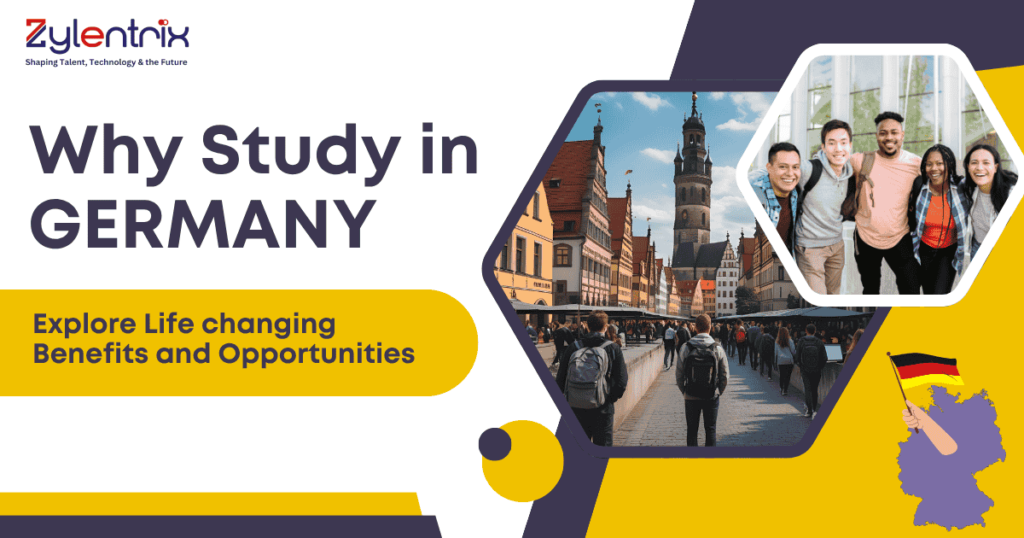
In recent years, Germany has emerged as one of the most sought-after destinations for international students, and for good reason. From world-class universities to a thriving job market, it offers a unique blend of academic excellence, affordability, and unmatched global career opportunities. Whether pursuing engineering, business, or the arts, Germany’s highly respected education system provides the ideal foundation for your career. But beyond its impressive institutions and research-driven learning lies a key question many students ask: why study in Germany over other popular destinations? In this blog, we’ll explore seven compelling reasons that make Germany a truly transformative choice for higher education and long-term success.
Why Study in Germany? A Quick Overview
Germany’s Global Reputation for Academic Excellence
Germany holds a distinguished reputation as a global leader in higher education, consistently ranking among the top countries for academic excellence. With over 45 institutions featured in the QS World University Rankings 2024, it offers internationally accredited programmes highly respected by employers worldwide. Known for its research-driven universities and future-focused learning, Germany excels in the fields of engineering, business, and technology. For those wondering why Germany is a good place to study, the answer lies in its commitment to quality, innovation, and global recognition. For international students, choosing to study in Germany means investing in a qualification that opens doors globally.
Innovative and Practical Learning Environment
German universities strike a balance between theoretical depth and real-world relevance, providing a career-focused and practical learning experience. The system strongly encourages industry interaction and hands-on training, from internships to research collaborations. Students gain access to cutting-edge tech, labs, and applied research facilities that enrich the learning process. This practical edge enhances academic outcomes and serves as a powerful career guide, preparing graduates to meet the demands of the global industry. Higher studies in Germany provide just that for anyone seeking a smart and skill-building route for their career journey.
Now that we’ve seen why Germany’s academic system stands out, let’s explore the concrete benefits that make it a life-changing choice for your career and future.
7 Key Benefits of Studying in Germany
Tuition-Free or Low-Cost Education
Most public universities in Germany charge no tuition fees even for non-EU students. With only a small semester contribution required, studying in Germany becomes financially accessible. This affordability is a major draw for international students seeking quality education without the burden of high debt.
World-Ranked Universities and Programmes
Top institutions, such as the Technical University of Munich (TU Munich) and Ludwig Maximilian University (LMU), rank globally for excellence in engineering, business, and health sciences. Many offer English-taught and internationally recognised programmes, making Germany a top destination for higher education and global career prospects.
Strong Focus on Research and Technology
Germany is at the forefront of research in AI, renewable energy, and biotechnology. Students benefit from access to cutting-edge labs and funded research projects, which combine academic learning with real-world innovation, providing career-ready skills.
Work Opportunities for International Students
Students can work up to 120 full or 240 half days per year, gaining experience while studying. Opportunities range from part-time roles to internships, particularly in tech and business hubs such as Berlin, Frankfurt, and Hamburg.
Pathways to Stay and Work After Graduation
Graduates can apply for an 18-month post-study work visa to find employment. Once employed, pathways to permanent residency become available. Germany’s structured post-study support is ideal for launching a long-term career in Europe.
Culturally Rich, Safe, and Student-Friendly Environment
With vibrant multicultural cities, student support services, and strong public safety, Germany offers a welcoming and enriching environment. Students enjoy festivals, travel, and a high quality of life, which supports both academic and personal growth.
Strategic Location in the Heart of Europe
Situated centrally in Europe, Germany makes travel easy and affordable. This geographic advantage enhances cultural exposure and career opportunities across the EU, particularly for those seeking to build an international career.
These compelling benefits highlight why studying in Germany is an excellent decision. But what comes next? Let’s explore the career opportunities available after graduation.
Career Opportunities After Studying in Germany
High Demand for Skilled Graduates
Germany’s job market is facing a growing skills shortage, particularly in engineering, IT, healthcare, and finance. German universities are closely aligned with industry needs, ensuring their graduates are highly sought after. By equipping students with industry-relevant skills, Germany provides international students with direct access to lucrative career opportunities in some of the world’s most advanced sectors.
Access to Global Companies and Internships
Germany is home to industry giants like Siemens, BMW, and SAP, offering international students exceptional career prospects. Many companies offer paid internships and job placements during or after studies, providing students with hands-on experience. Internships often lead to full-time job offers, making Germany a perfect place to kickstart your career with the world’s leading companies.
Post-Study Work Visa and PR Pathway Options
Germany offers an 18-month post-study work visa, which allows international graduates to stay and search for employment. Additionally, the Blue Card programme provides a pathway for highly skilled graduates to transition into permanent employment and residency. Once employed, international students can apply for permanent residency, making Germany an attractive option for long-term career growth and stability.
With excellent career opportunities available, let’s look at what life is like for international students in Germany and why it’s considered one of the most student-friendly destinations.
Life in Germany as an International Student
Affordable Living and Student Perks
Germany offers a brilliant price for international students. Public transport is price range-friendly, with most universities offering a Semester Ticket that grants unlimited travel within the local area. Student lodging is value-powerful, and many institutions provide meal subsidies and medical health insurance tailored to college students. You’ll also enjoy discounts on cinema tickets, museums, health centres, and mobile plans. These perks make studying in Germany financially viable and strain-free for global college students.
Language, Lifestyle, and Cultural Diversity
Although German is broadly spoken, many primary towns and universities are English-friendly, especially for bachelor’s and technical programmes. Learning the neighbourhood language can enhance your experience; however, it’s no longer a barrier to success. Germany is a cultural melting pot—fairs like Oktoberfest, multicultural food scenes, and inclusive pupil groups make it easy to experience at home. This mixture of language and lifestyle options facilitates integration among students from around the world while they enjoy a rich cultural life.
Top Cities to Live and Study in Germany
From dynamic metropolises to ancient university cities, Germany offers something for everyone. Berlin is a top choice for international college students seeking colourful, affordable, and diverse surroundings. Munich excels in instructional prestige and process potential in industries such as engineering and finance. Heidelberg boasts an antique-world allure and an educational lifestyle, while Frankfurt offers worldwide commercial enterprise exposure and a robust international network. These top towns make for better research in Germany.
Still unsure which German town best suits your goals? Zylentrix’s personalised consulting will help you find the right fit for your career journey.
Are you inspired to stay and research in Germany? Let’s guide you through the utility method to help you begin your adventure with clarity and self-assurance.
How to Apply to German Universities
Admission Requirements and Eligibility Criteria
Germany continues to have high educational standards, and assembling the access necessities is step one towards your study in Germany adventure.
To practice, you typically want:
- Academic transcripts and a certificate equivalent to the German system (Abitur or recognised overseas qualifications)
- Proof of language talent (IELTS/TOEFL for English-taught programmes or TestDaF/DSH for German-taught ones)
- A Statement of Purpose (SOP) outlining your instructional and career desires
- Completing thirteen years of schooling or a foundation year (Studienkolleg) may be required for undergraduate programmes. For postgraduates, a relevant bachelor’s diploma and sometimes work experience are essential.
Are you wondering if you’re eligible? Resources like Daad.de can help confirm whether your qualifications meet the standards of German universities.
Application Process and Key Deadlines
The software process for higher studies in Germany may be completed either through
- Uni-help (a centralised portal utilised by many universities)
- Direct the software to the university’s website
Key consumption intervals:
- Summer Semester: Apply between January and March
- Winter Semester: Apply between May and July
Ensure that all required documents, including instructional transcripts, SOP, language certificates, and passports, aree prepared in advance. It’s recommended to use early, as processing times vary. Check every university’s website for programme-specific closing dates.
Tip: Use the Uni-Assist direction finder to test eligibility and streamline your application.
Student Visa Process and Documentation Guide
Once generic, global students need to apply for a German pupil visa. Here’s what you need:
- Blocked account with a minimum of €11,208 (2025 estimate) to show financial stability
- Proof of medical health insurance valid in Germany
- Letter of admission from a recognised German university
- Proof of lodging and passport-sized photos
- Completed a visa application form and a legitimate passport
Book your visa interview at the nearest German consulate or embassy. Begin this method at least 8 to 12 weeks before your departure.
Still unsure of a way to move Germany to examine? Zylentrix offers stop-to-stop professional help, from college applications to visa guidance.
Once you’ve mapped out your utility and visa technique, the question is: Is Germany the proper fit for your long-term educational and career goals? Let’s bring everything together in the final segment.
Conclusion: Is Germany Right for Your Study Abroad Dream?
Germany has firmly established itself as one of the top destinations for international students to study abroad. With tuition-free education, globally ranked universities, and strong pathways to career success, the country offers more than just academics—it provides a future. Its practical learning environment, access to global companies, and vibrant multicultural life make it a powerful launchpad for students from all backgrounds.
Still wondering why study in Germany? It blends world-class education with real-world opportunities in a way that few countries can match.
Whether you are planning your first degree or looking to advance your career, studying in Germany could be a life-changing decision.
Ready to turn your ambition into action? Let Zylentrix help you take the next step towards a successful academic and professional journey in Germany.
Frequently Asked Questions (FAQs)
Why is Germany a great place to study abroad?
Germany attracts students with its excellent education, reasonable tuition costs, and numerous chances to study in English. It boasts globally respected universities and a vibrant culture, making it a prime destination for those seeking both academic excellence and personal growth.
What makes studying in Germany worthwhile?
Studying in Germany offers numerous benefits, including tuition-free education at state-run universities for international students, a wide range of English-taught programs, excellent research facilities, an active student life, and excellent job prospects across various fields. Furthermore, students benefit from high-quality healthcare and an excellent public transport network.
What job prospects are there after studying in Germany?
German university graduates are in high demand by employers worldwide due to Germany’s strong economy and focus on innovation. Many students secure jobs in leading sectors, including engineering, IT, business, and healthcare. Germany also offers a post-study residence permit, letting international students stay and work for up to 18 months after graduation.
What’s it like for international students in Germany?
Life in Germany is a unique experience, mixing academic challenges with cultural diversity. Students experience a high standard of living, have access to modern facilities, and live in a safe environment. Germany also boasts a rich history and vibrant cultural scene, offering numerous opportunities to travel and explore various parts of the country.
How can I apply to German universities as an international student?
Applying to German universities typically involves submitting an online application, providing academic records, evidence of language proficiency (in German or English, depending on the program), and any other required documents. Many universities may also need an entrance test or interview for specific programs. Check each university’s website for the most current application deadlines and guidelines.